
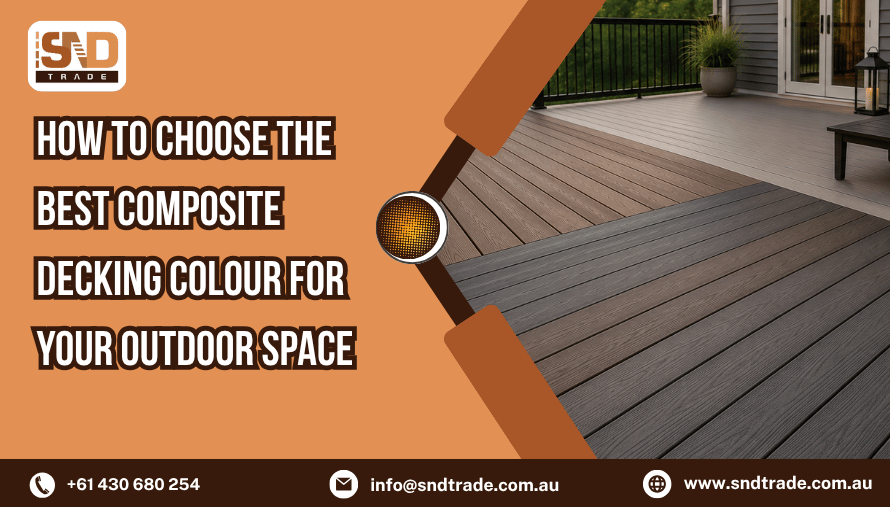
Outdoor spaces have become one of the most important parts of Australian homes. Whether it is a backyard entertainment area, poolside retreat, alfresco dining zone, or a peaceful garden deck, homeowners now want outdoor areas that look stylish, feel comfortable, and last for years.
That is one reason why composite decking continues to grow in popularity across Australia. It is durable, low maintenance, weather resistant, and available in a wide variety of modern colours and finishes. But while choosing the right decking material matters, selecting the right colour is equally important.
The colour you choose affects the overall appearance of your home, how hot the deck feels underfoot, how well it hides dirt, and even how long it continues to look fresh. Many homeowners feel overwhelmed by the number of options available today, which is why experienced composite decking suppliers often help customers match decking colours with their lifestyle, climate, and property style.
If you are planning a new deck or upgrading your outdoor area, here is a practical guide to choosing the best composite decking colour for your Australian home.
Why Decking Colour Matters More Than You Think
Most people initially focus only on aesthetics. While appearance matters, decking colour also affects performance and maintenance.
Australia’s climate is harsh. Strong UV exposure, heatwaves, coastal moisture, rain, and dust can all impact how your deck looks over time. The wrong colour choice may lead to:
- Excessive surface heat
- Visible dirt and footprints
- Faster visible fading
- Poor visual balance with the home exterior
- A smaller or darker-looking outdoor area
The right decking colour helps create a comfortable outdoor environment while improving the long-term appearance of the deck.
Professional composite decking suppliers often recommend selecting colours based not only on trends but also on practical environmental factors.
Understanding the Most Popular Composite Decking Colour Categories
Modern composite decking comes in a wide range of colours inspired by natural timber and contemporary architectural finishes.
1. Natural Timber Browns
Timber-inspired browns remain one of the most popular choices in Australia. Shades like teak, walnut, spotted gum, merbau, and oak create a warm and timeless outdoor look.
These colours work well for:
- Family homes
- Traditional outdoor entertaining spaces
- Garden-focused landscapes
- Homes with brick exteriors
Natural browns provide the beauty of timber without the constant sanding, staining, and sealing that traditional timber requires.
They also tend to hide dust and everyday dirt better than very light or very dark colours.
2. Coastal Grey Tones
Light and medium greys have become extremely popular in coastal and modern Australian homes.
These colours suit:
- Hamptons-inspired homes
- Coastal properties
- Contemporary architecture
- White exterior finishes
- Minimalist landscaping
One major advantage of lighter grey decking is reduced heat absorption. In hot Australian regions like Queensland and Western Australia, lighter decking colours stay cooler under direct sunlight.
Many composite decking suppliers now offer several grey variations because demand continues to increase across Australia.
3. Charcoal and Deep Grey Decking
Dark charcoal tones create a bold and premium appearance. These colours are commonly used in luxury homes and modern architectural projects.
They pair well with:
- Black window frames
- Glass balustrades
- Steel pergolas
- Concrete landscaping
- Contemporary outdoor furniture
However, darker colours absorb more heat. In areas with extreme sun exposure, homeowners should consider whether the deck will receive direct sunlight for long periods.
High-quality capped composite decking with UV protection performs far better in dark shades than cheaper boards.
4. Warm Cedar and Redwood Colours
Warm reddish-brown decking tones remain popular because they suit many Australian homes built with brick, sandstone, or earthy exterior colours.
These colours help create a relaxed outdoor atmosphere and work beautifully with greenery and landscaping.
They are often chosen for:
- Traditional Australian homes
- Outdoor dining spaces
- Family entertainment areas
- Homes with warm exterior palettes
Consider Your Home’s Exterior Colours
One of the biggest mistakes homeowners make is choosing decking colours without considering the rest of the property.
Your deck should complement:
- Roof colour
- Wall cladding
- Outdoor furniture
- Landscaping
- Pool surrounds
- Fence colours
A balanced colour palette creates visual flow between indoor and outdoor spaces.
For example:
- Grey decking pairs well with white, black, and modern architectural finishes
- Brown decking works beautifully with natural gardens and earthy tones
- Charcoal decking suits minimalist homes and contemporary landscaping
Experienced composite decking suppliers often recommend taking exterior photos or material samples before selecting decking colours.
Think About Heat Absorption
Australia’s climate makes heat management extremely important.
Dark colours absorb more sunlight, which means they become hotter underfoot during summer.
If your deck receives strong direct sunlight throughout the day, lighter colours may be more comfortable for:
- Families with children
- Poolside areas
- Barefoot walking
- Large entertainment areas
Lighter shades generally remain cooler than darker charcoal colours.
This is particularly important in:
- Queensland
- Western Australia
- Northern New South Wales
- Inland regions with extreme heat
Consider Maintenance and Cleaning
Different decking colours show dirt differently.
Light Colours
- Show less dust
- Stay cooler
- Can show stains more easily
Dark Colours
- Hide stains better
- Create a premium look
- May show dust, pollen, and footprints
Mid-Tone Colours
- Often provide the best balance
- Hide dirt effectively
- Offer practical long-term maintenance
This is why many homeowners choose medium timber browns or warm greys.
Understand UV Resistance and Colour Stability
Not all composite decking performs the same under Australian sunlight.
Lower-quality boards may fade unevenly or lose colour quickly after prolonged UV exposure.
When comparing colours, ask composite decking suppliers about:
- UV stabilisation technology
- Capped board protection
- Fade warranties
- Surface technology
- Australian weather testing
Higher-quality boards are specifically engineered to maintain colour consistency for many years.
Match Your Lifestyle and Outdoor Usage
Your decking colour should suit how you actually use your outdoor space.
For Entertaining Areas
Choose colours that complement furniture and lighting.
For Pool Areas
Lighter colours help reduce surface temperature.
For Busy Family Homes
Mid-tone colours help hide marks and everyday wear.
For Luxury Modern Homes
Charcoal and deep grey tones often create a sophisticated finish.
The best colour is not always the trendiest option. It is the colour that continues to work for your lifestyle long-term.
Test Samples Before You Decide
Decking colours often look completely different outdoors compared to showroom lighting or online images.
Always test physical samples in natural sunlight before making a final decision.
Place samples:
- Near your exterior walls
- Around landscaping
- In direct sunlight
- In shaded areas
Observe how the colour changes throughout the day.
Reliable composite decking suppliers usually provide samples to help homeowners make confident decisions.
Popular Composite Decking Colour Trends in Australia
Current Australian decking trends include:
- Coastal light greys
- Warm timber browns
- Weathered oak finishes
- Charcoal contemporary tones
- Mixed-tone decking layouts
- Matte textured finishes
However, timeless colours often outperform short-term trends when it comes to long-term satisfaction.
Common Colour Selection Mistakes to Avoid
Choosing Based Only on Trends
What looks fashionable today may not suit your home long-term.
Ignoring Heat Exposure
Dark colours can become uncomfortable in hot climates.
Not Matching the Home Exterior
Decking should visually connect with the entire property.
Buying Cheap Boards
Lower-quality products may fade or stain faster.
Skipping Professional Advice
Experienced composite decking suppliers can help avoid expensive mistakes.
Final Thoughts
Choosing the right composite decking colour is about more than appearance. The right colour improves comfort, complements your home, reduces maintenance concerns, and helps your outdoor space feel more inviting for years to come.
Australia’s weather conditions make quality and colour selection especially important. By considering sunlight exposure, home design, maintenance preferences, and lifestyle needs, homeowners can create an outdoor area that looks beautiful and performs well long-term.
At SND Trade, we help Australian homeowners choose premium composite decking solutions designed for Australian conditions. From modern grey finishes to timeless timber-inspired colours, our range is built for durability, style, and long-term outdoor performance.
Explore SND Trade today and find the perfect composite decking colour for your outdoor space.